Malla-Yuddha — The Vedic Warrior Wrestling
India's oldest attested wrestling: named in the Rigveda, elaborated in the Ramayana and Mahabharata — and ancestor of Pehlwani.
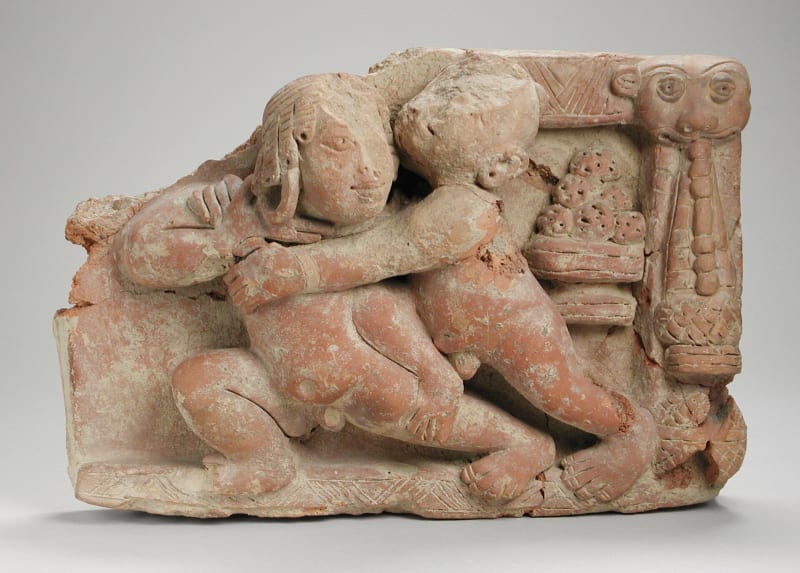
Lineage
Contents
Malla-Yuddha (मल्लयुद्ध, Sanskrit: “warrior wrestling” or “wrestling combat”) is the oldest documented combat system in India — and possibly one of the oldest in humanity. The roots reach back to the Vedic period (c. 1500–500 BCE), where wrestling is described in India’s most sacred texts — the Rigveda and Atharvaveda — as a Kshatriya duty (warrior caste). In the Great Epics — Ramayana and Mahabharata — Malla-Yuddha is presented as central drama: Hanuman fights in the Ramayana, Krishna wrestles Jarasandha in the Mahabharata, Bhima defeats Duryodhana in the final battle. Malla-Yuddha was no mere sport: it was dharmic test — combat as moral and physical validation of the warrior. Unlike modern Pehlwani (which descended from it), Malla-Yuddha permitted strikes, biting, chokes, joint locks, and pressure point attacks — a complete combat system. The Malla Purana (13th century, Gujarat) is the first comprehensive manual of Malla-Yuddha — with training instructions, dietary rules, and combat principles.
History
Vedic Tradition (c. 1500–500 BCE)
The earliest references to wrestling in India appear in the Rigveda — the oldest Sanskrit text in the world. Wrestling is described as Kshatriya training: the physical and moral preparation of the warrior.
Mythological origin: The gods themselves reportedly engaged in the first Malla-Yuddha contests — Brahma and Shiva taught the art to the first human warriors.
Epic Era — Ramayana and Mahabharata (~500 BCE–200 CE)
The epics codified Malla-Yuddha as a cultural highlight:
Ramayana: Hanuman (the monkey god) fights and wrestles against various demon-warriors.
Mahabharata: The most dramatic Malla-Yuddha fight is the final battle between Bhima and Duryodhana — an 18-day war ends in a personal wrestling match between two princes that will reshape India.
Krishna and Jarasandha: Krishna wrestles the king Jarasandha in a mythical battle.
Malla Purana (13th or 15th century — disputed)
The Malla Purana (Gujarat) is the first comprehensive written manual of Malla-Yuddha. Its dating is disputed: linguistic analysis points to the thirteenth century, against which stands the fact that Vaishnavism only became widespread in Gujarat with the Pushtimarga of the fifteenth — and the text has a Vaishnava frame. It describes:
- Four variants of Malla-Yuddha
- Training regimes and diet for wrestlers
- Combat rules and victory conditions
- Spiritual aspects of wrestling
Four Variants
The Malla Purana distinguishes four Malla-Yuddha styles:
| Style | Sanskrit | Characteristic |
|---|---|---|
| Hanumanti | हनुमंती | Strength superiority, throws |
| Jambuvanti | जांबुवंती | Joint locks, submissions |
| Jarasandhi | जरासंधी | Leg and bone breaking |
| Bhimaseni | भीमसेनी | Absolute strength and endurance |
These four variants range from sport wrestling to lethal combat — reflecting the various contexts in which Malla-Yuddha was applied.
Core Techniques
Unlike modern Pehlwani, Malla-Yuddha permitted the complete arsenal:
- Throws (Malla-Hasta) — body and hip throws
- Joint locks (Bandha) — elbow, knee, shoulder
- Chokes (Grivabhanga) — throat and trachea techniques
- Strikes (Malla-Prahara) — strikes in combination with grappling
- Pressure points (Marma) — attacks on vital body sites
Philosophy
Malla-Yuddha is dharmic duty — combat as spiritual test, not merely athletic competition. A wrestler without Dharma (ethical duty) is no Malla-warrior.
The concept of Kshatriya-Dharma (duty of the warrior caste): the warrior must be strong — not for himself, but to protect the weak and maintain cosmic order.
“The wrestler who fights with Dharma is immortal. The wrestler who fights only for victory dies twice.” — attributed to the Malla Purana; no source for it can be found. The text is a technical treatise on wrestling styles, pit preparation and seasonal diet
Connections to Other Martial Arts
- Pehlwani — direct descendant; Malla-Yuddha is the full-combat original, Pehlwani the sport version
- Kalaripayattu — both are Vedic martial arts; Kalaripayattu integrates weapons and acrobatics, Malla-Yuddha is purely wrestling-based
- Pankration — parallel development: both permitted strikes + grappling; Malla-Yuddha arose independently but structurally similarly
Today
Malla-Yuddha in its original form (with strikes and joint locks) is barely practiced — it has transformed into modern Pehlwani/Kushti. In Gujarat and other regions there are attempts at revival based on the Malla Purana.
Related Articles
- Pehlwani
- Kalaripayattu
- Pankration
- Sumo
- Koshti Pahlevani — the Persian layer added in the sixteenth century — names rather than grips
- Kabaddi — the Indian team contact sport: the same wrestling tradition under different rules
- Thang-Ta — the mukna of sarit sarak, the unarmed half of a weapon art