Ip Man — The Grandmaster of Wing Chun
Ip Man (1893–1972) saved Wing Chun from obscurity and taught Bruce Lee — the quiet grandmaster whose life has become more myth than biography.
Contents
Overview
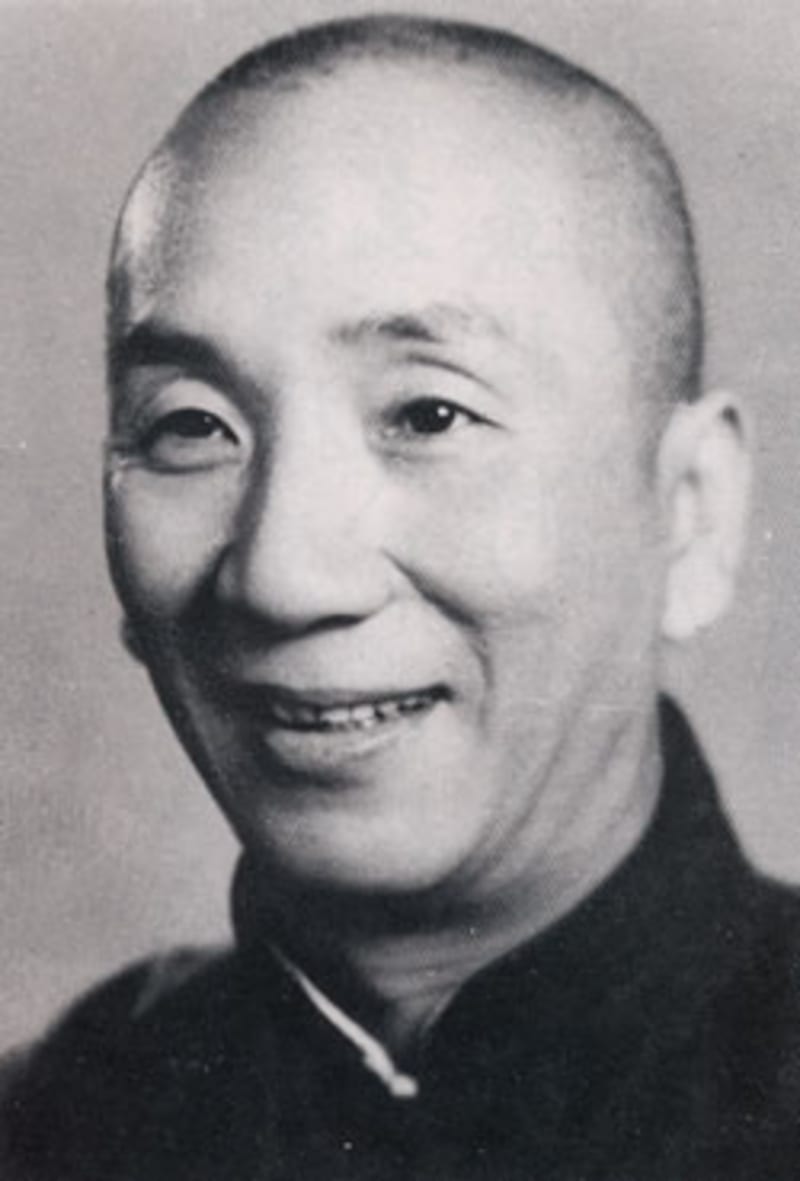
Ip Man is the most improbable phenomenon in martial arts history: a grandmaster barely known during his lifetime, who began a new career as a teacher at 57 out of financial necessity — and posthumously, through cinema, became the most recognized Kung Fu master in the world. Without Ip Man there would be no Wing Chun in its current form, no Bruce Lee, and no global Kung Fu phenomenon. He was no world traveler and no showman; he was a discreet, quiet man from Foshan who survived difficult times and passed on his knowledge.
| Birth name | Ip Kai-man (葉問) |
| Born | October 1, 1893, Foshan, Guangdong, China |
| Died | December 2, 1972, Hong Kong |
| Martial art | Wing Chun |
| Teachers | Chan Wah-shun, Leung Bik |
| Notable students | Bruce Lee, Leung Sheung, William Cheung, Hawkins Cheung |
Early Life and Training
Ip Man was born the son of a wealthy merchant family in Foshan, then the center of southern Chinese martial arts. At age 9 (or 13 — sources vary), he began learning Wing Chun from Chan Wah-shun — the 16th and last student, as Chan was already elderly.
At 16, Ip moved to Hong Kong for his education at St. Stephen’s College. There he met Leung Bik, son of the legendary Wing Chun reformer Leung Jan — and received a second, deeper training in the Ng Mui lineage of the style. Back in Foshan, he became known for his fighting ability while working as a police officer, not as a martial arts teacher.
Turning Points
The Japanese occupation of China (1937–1945) destroyed Ip Man’s comfortable life. He refused to serve as a trainer for the Japanese occupiers and lost his wealth. After the Communist Revolution in 1949, he had to flee Foshan — his Kuomintang membership made him a target.
In 1950, he began teaching Wing Chun publicly in Hong Kong — initially in the Restaurant Workers’ Association hall, out of financial necessity. It was the first time Wing Chun had been taught systematically outside a private master-student relationship.
The most important student arrived in 1953: Bruce Lee, then a 13-year-old street kid, began training under Ip Man, who recognized his talent immediately.
In 1967, Ip and his students founded the Ving Tsun Athletic Association in Hong Kong — a formal framework that institutionalized Wing Chun and secured it for posterity.
Techniques and Principles
Wing Chun is a close-range, direct combat system relying on structure and sensitivity rather than strength:
| Principle | Description |
|---|---|
| Chi Sao (sticky hands) | Tactile sensitivity through rolling arm movements |
| Centerline theory | Attack and defense along the body’s central axis |
| Wu Sau / Bong Sau | Guard positions — passive-active defense |
| Pak Sao | Deflecting strike to open the opponent’s guard |
| Wooden dummy (Muk Yan Jong) | Solo training tool — Ip Man refined these forms |
| Biu Ji (thrusting fingers) | Attack on vulnerable points |
Philosophy
Ip Man rarely taught philosophy explicitly, but his approach was clear: Wing Chun is a practical combat system, not a mystical secret. He rejected excessive ritual and demanded gong fu (persistent practice) above all else.
In late interviews he emphasized that Kung Fu — any martial art — does not improve a person unless they are willing to grow: “Kung Fu lives in the spirit of a person, not in the hands.”
Students and Legacy
- Bruce Lee — His most famous student; Wing Chun was the starting point of JKD
- Leung Sheung — Ip Man’s first public student in Hong Kong
- William Cheung — Brought Wing Chun to Australia
- Hawkins Cheung — Taught in the United States
- Ip Chun & Ip Ching (sons) — Continued the lineage
Today there are hundreds of Wing Chun lineages, all tracing back to Ip Man — and often contradicting each other significantly.
Connections to Other Arts
Wing Chun is a branch of southern Chinese Kung Fu and shares roots with other Foshan styles. Bruce Lee’s Jeet Kune Do grew directly from Ip Man’s Wing Chun teaching — as reaction and extension. Ip Man knew and respected Judo and Boxing as martial arts but saw them as different instruments.
Today
The Ip Man film series (2008–2019) starring Donnie Yen made him a pop culture phenomenon. Historians note that the films heroically exaggerate his character — the real Ip Man was more reserved and less infallible. That changes nothing about his real legacy: he saved a martial art that might otherwise have disappeared.