Chinese Martial Arts
Kung Fu, Tai Chi, Wushu — thousands of years of tradition.
21 articles

China ·Early 19th century
Baguazhang — The Eight Trigram Palms
Baguazhang is the circular internal Chinese martial art — founded by Dong Haichuan, built on eight trigrams and the continuous practice of walking the circle.

China ·16th–18th century
Bajiquan — The Eight Extremities of Explosive Combat
Bajiquan is a Chinese martial art from Hebei, renowned for explosive elbow and shoulder strikes in close range — for centuries the preferred style of imperial bodyguards.
China (Huizhou, Guangdong) ·In its present form from the early 20th century
Bak Mei — the Style Named After the Traitor
Bak Mei carries the name of the monk who, in the legend, betrayed Shaolin. The documented style begins with one man: Cheung Lai Chuen (1882–1964).

China ·Traditional styles since the Ming and Qing periods; competition form from 1958/1960
Changquan — the Long Fist and the Competition Style That Carries Its Name
Changquan denotes two different things: a northern Chinese family of styles and a competition style standardised from 1960. The two are constantly confused.
China ·As a term by the Ming period at the latest; earlier traces older still
Chin Na — Seizing and Controlling
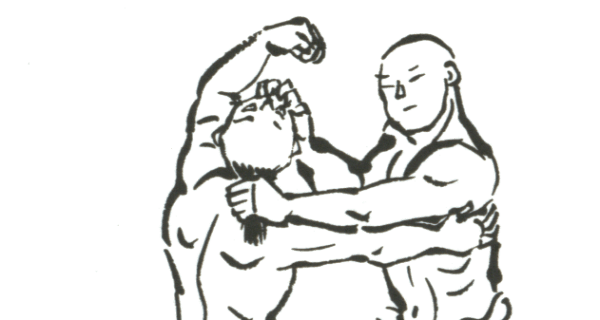
Chin Na is not a martial art of its own but a category of technique — the seizing, locking and controlling embedded in nearly every Chinese system.
China (Guangdong) ·1836
Choy Li Fut — The Wide Fist of the South
Choy Li Fut joins southern Chinese arm technique to northern footwork — founded in 1836 by Chan Heung and named after his three teachers.
China (Fujian province, especially Fuzhou and Yongchun) ·A Qing-era family of styles; the transmission to Okinawa is documented by name from the 19th century
Fujian Kung Fu — not an art but a port province
Not a style but a coastal province with a family of them. Two articles here name it as a parent art — this is what that means.

China (Guangdong) ·18th c. (legendary); documented transmission from the 19th c.
Hung Gar — Tiger and Crane
Hung Gar is the best-known southern Chinese boxing style — deep stances, hard bridge work, and the union of tiger and crane.
China ·Pre-2000 BCE (historical); 5th century CE (Shaolin)
Kung Fu and Wushu — The Martial Arts of China
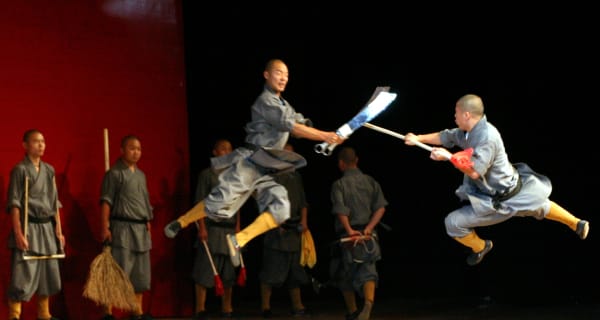
Kung Fu is the umbrella term for over 400 Chinese martial arts — from Shaolin to Wing Chun to Tai Chi, unified by Qi cultivation, Daoist philosophy and relentless practice.
China ·Attributed to the Song period; public teaching from the late 1920s
Liuhebafa — the Fourth Internal Style and Its Water Image
Liuhebafa counts as the fourth internal style and is also called water boxing. It is documented from Wu Yihui, who taught it publicly in the 1930s.
China (south of the Yangtze) ·Traditional styles since the Qing period; competition form from 1960
Nanquan — the Southern Fist and What "Southern Fist, Northern Leg" Is Worth
Nanquan means a southern Chinese family of styles and a competition style from 1960 — plus kung fu's best-known maxim, and what it is actually worth.

China ·Exercises documented from the 2nd century BCE; the term from the 1950s
Qigong — Ancient Exercises Under a Name From 1950
The exercises are two thousand years old and documented by a silk painting from 168 BCE. The name dates from 1950 and was made for administration.

China (Songshan, Henan province) ·Monastery from 495; martial evidence from the 16th century
Shaolin Kung Fu — the Staff Is Documented, the Empty Hand Is Not
The oldest authentic Shaolin manual, from 1610, is about the staff. Boxing came later — and explicitly on the model of the staff.
China ·Precursors (jiao di) in antiquity; modern form from 1928
Shuai Jiao — Chinese Wrestling
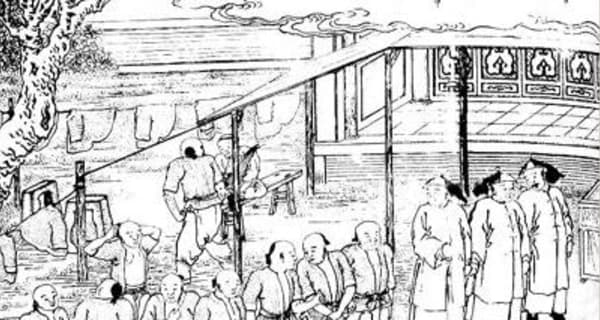
Shuai Jiao is China's wrestling tradition — throws from the jacket grip, decided standing, and one of the four base categories of Chinese martial arts.
China ·17th century (Chen Village, Henan); flourished in the 19th century
Taijiquan — The Supreme Ultimate Fist
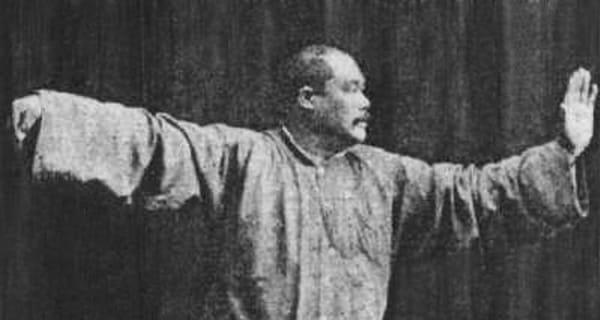
Taijiquan is the soft, flowing internal Chinese martial art — world-famous as Tai Chi, founded in Chen Village, deeply rooted in Taoism and traditional Chinese medicine.

China ·Late Ming / early Qing dynasty (17th century), Shandong Province
Tanglangquan — The Praying Mantis Style
Tanglangquan is the northern Chinese Praying Mantis style — born from observing an insect, built on lightning-fast hooking techniques and monkey footwork.

China ·Qing dynasty (18th century), Guangdong Province; modern spread from 1949
Wing Chun — The Martial Art of the Straight Line
Wing Chun is the southern Chinese martial art of the direct line — developed by a nun for a woman, brought to world prominence by Ip Man, immortalized by Bruce Lee.

China (Wudang Mountains, Hubei province) ·A Daoist centre since the Middle Ages; martial arts attribution from 1669
Wudang — a Mountain Range, a Category and a Text From 1669
Wudang is not a style but a mountain range and a category. The split into internal and external martial arts can be dated to a single year: 1669.

China ·Late Ming / early Qing dynasty (17th century)
Xingyiquan — Form and Intention as a Combat Principle
Xingyiquan is the oldest of the three internal Chinese martial arts — built on five elements and twelve animal forms, simultaneously direct, explosive, and internally rooted.

China ·Legendary origin: Song dynasty; historically documented: Qing dynasty (19th century)
Ying Zhao Quan — The Eagle Claw Fist
Ying Zhao Quan is the Chinese Eagle Claw style — renowned for its 108 grappling techniques, precise pressure point attacks, and complete Chin Na control grappling system.

China ·Ming dynasty (1368–1644) first literary mention; origins possibly older
Zui Quan — The Drunken Fist
Zui Quan is the staggering, unpredictable style of the Drunken Fist — one of China's oldest combat styles, inspired by the Eight Taoist Immortals, made famous by Jackie Chan.