The Martial Arts Encyclopedia
百者
Hyakusha
Origins, philosophy, lineages and masters from every martial tradition in the world — from Judo to Silat, from Zen to Bushido.
102 articles across 10 categories
Japanese Martial Arts
Judo, Karate, Aikido, Kendo and the many paths of Japanese Budo.

Japan ·1920s–1942 (official name)
Aikido — The Way of Harmonious Energy
Aikido is a Japanese martial art that seeks harmony over force — founded by Morihei Ueshiba as a synthesis of Daito-ryu, Zen philosophy and Omoto-kyo spirituality.
Japan ·Legendary: Heian period (11th century); historically systematized: late 19th / early 20th century
Daito-ryu Aiki-Jujutsu — The Source of Aikido
Daito-ryu Aiki-Jujutsu is the mother school of Aikido — the secret combat art of the Takeda clan, which Morihei Ueshiba transformed into Aikido and Choi Yong-sul carried to Korea as Hapkido.
Japan (Okinawa as origin) ·Okinawa: late 19th century; name given 1930; recognized as Budō in Japan 1933
Goju-ryu — Hard and Soft as Unity
Goju-ryu is the oldest and only officially Budō-recognized Karate style in Japan — founded by Chojun Miyagi, based on the principle that hardness and softness are inseparable.

Japan ·1882
Judo — The Gentle Way
Judo is the martial art of the gentle way — founded in 1882 by Jigoro Kano, an Olympic discipline since 1964, built on maximum efficiency through throwing and groundwork.
Japan ·Nara period (710–794) first forms; Sengoku era (1467–1603) systematization
Jujutsu — The Original Martial Art of the Samurai
Jujutsu is the original unarmed combat system of the Japanese samurai — ancestor of Judo, Aikido, and Brazilian Jiu-Jitsu, built on the principle of yielding.

Japan ·Kamakura period (1185–1333); flourished in the Sengoku era (1467–1603)
Kenjutsu — The Classical Swordsmanship of the Samurai
Kenjutsu is the classical Japanese swordsmanship of the samurai — born in the Kamakura period, perfected in the Sengoku era, preserved today in over 500 schools.
+ 9 more — View all →
Korean Martial Arts
Taekwondo, Hapkido, Ssireum — traditions of the Korean peninsula.

Korea ·1948 (Choi Yong-sul returns to Korea)
Hapkido — The Korean Way of Harmonious Power
Hapkido is Korea's art of harmonious power — a complete combat system of joint locks, throws, and kicking techniques rooted in the Japanese Daito-ryu tradition.
Korea ·1958 (founding); Korean roots: centuries old
Kuk Sool Won — Korea's Most Complete Martial Arts System
Kuk Sool Won is Korea's most complete martial arts system — synthesized in 1958 by In Hyuk Suh from centuries-old Royal Court traditions, Buddhist arts, and folk martial arts.
Korea ·Goguryeo period (37 BCE–668 CE); documented from the 4th century
Ssireum — Korea's Traditional Wrestling
Ssireum is Korea's traditional wrestling — practiced since the 4th century, fought with belts around hip and thigh in a sand ring, deeply embedded in Korean folk culture.

Korea ·Joseon period (1392–1897) and earlier; documented from the 18th century
Taekkyeon — Korea's Oldest Living Martial Art
Taekkyeon is Korea's oldest living martial art — rhythmic, dance-like, nearly wiped out by Japanese occupation, and in 2011 the first martial art awarded UNESCO Cultural Heritage status.

Korea ·1955 (official name)
Taekwondo — The Way of the Foot and Fist
Taekwondo is Korea's premier martial art — defined by explosive kicking techniques and dynamic athleticism, an Olympic discipline since the Sydney 2000 Games.
Korea ·1945 (Moo Duk Kwan founded); 1950s naming as Tang Soo Do
Tang Soo Do — Korea's Classical Striking Art
Tang Soo Do is Korea's classical striking martial art — synthesized by Hwang Kee from Korean, Chinese, and Okinawan sources, precursor to modern Taekwondo.
Chinese Martial Arts
Kung Fu, Tai Chi, Wushu — thousands of years of tradition.

China ·Early 19th century
Baguazhang — The Eight Trigram Palms
Baguazhang is the circular internal Chinese martial art — founded by Dong Haichuan, built on eight trigrams and the continuous practice of walking the circle.

China ·16th–18th century
Bajiquan — The Eight Extremities of Explosive Combat
Bajiquan is a Chinese martial art from Hebei, renowned for explosive elbow and shoulder strikes in close range — for centuries the preferred style of imperial bodyguards.
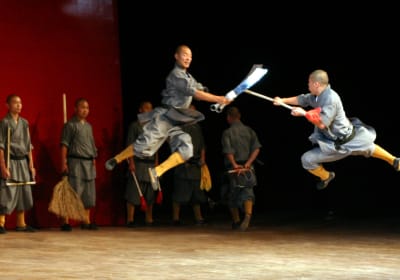
China ·Pre-2000 BCE (historical); 5th century CE (Shaolin)
Kung Fu and Wushu — The Martial Arts of China
Kung Fu is the umbrella term for over 400 Chinese martial arts — from Shaolin to Wing Chun to Tai Chi, unified by Qi cultivation, Daoist philosophy and relentless practice.
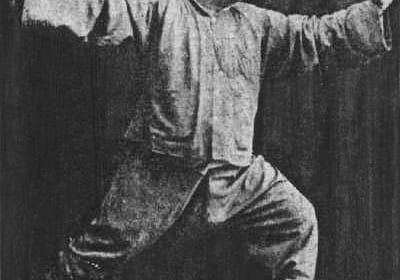
China ·17th century (Chen Village, Henan); flourished in the 19th century
Taijiquan — The Supreme Ultimate Fist
Taijiquan is the soft, flowing internal Chinese martial art — world-famous as Tai Chi, founded in Chen Village, deeply rooted in Taoism and traditional Chinese medicine.
China ·Late Ming / early Qing dynasty (17th century), Shandong Province
Tanglangquan — The Praying Mantis Style
Tanglangquan is the northern Chinese Praying Mantis style — born from observing an insect, built on lightning-fast hooking techniques and monkey footwork.

China ·Qing dynasty (18th century), Guangdong Province; modern spread from 1949
Wing Chun — The Martial Art of the Straight Line
Wing Chun is the southern Chinese martial art of the direct line — developed by a nun for a woman, brought to world prominence by Ip Man, immortalized by Bruce Lee.
+ 3 more — View all →
Grappling
Wrestling, throwing, holding — ground arts of the world.

Brazil ·1925 (first Gracie academy); development through 1950s
Brazilian Jiu-Jitsu — The Art of Ground Fighting
Brazilian Jiu-Jitsu is the martial art of ground fighting — brought to Brazil by Mitsuyo Maeda, perfected by the Gracie family, immortalized by Royce Gracie at the first UFC.

England (Lancashire) ·Early 19th century; codified ~1870s
Catch Wrestling — British Wrestling with Submissions
Catch Wrestling is brutal British wrestling of the 19th century — with submissions, leg locks, neck cranks, and the legendary Snake Pit in Wigan as its world center.
Philippines (Visayas, Mindanao) ·Pre-colonial; practiced since ancient Philippine times
Dumog — Filipino Ground Grappling
Dumog is traditional Filipino grappling — born as a carabao-wrestling technique, close sibling of Escrima, focused on control points and balance disruption.
Iceland / Scandinavia ·Viking Age (~9th century); first written mention: 1325 (Jónsbók)
Glima — Viking Wrestling from Iceland
Glima is the traditional Scandinavian wrestling of the Vikings — Iceland's national sport since the 9th century, with three variants from elegantly technical to raw free-fight.

France (19th century); ancient inspiration: Greece and Rome ·Early 19th century (France); Olympics since 1896
Greco-Roman Wrestling — Olympics' Oldest Combat Sport
Greco-Roman Wrestling is the oldest modern Olympic combat sport — at every Olympics since 1896, with exclusively upper-body grips and spectacular throws.
Brazil ·1927 (Hatem begins teaching); flourished 1950s–1990s
Luta Livre — Brazil's Forgotten Grappling Art
Luta Livre is Brazil's no-gi grappling art — the working-class alternative to the elite's BJJ, heir to Catch Wrestling, locked in a legendary rivalry with the Gracie family.
+ 6 more — View all →
Striking
Punching, kicking, elbows, knees — striking arts compared.

Myanmar (historically: Burma) ·Pyu Empire (2nd century BCE–11th century CE); modern form from 1950s
Lethwei — Burmese Boxing with Nine Weapons
Lethwei is Myanmar's ancient combat art — bareknuckle, with headbutt as the ninth weapon, no points scoring, and victories only by KO or submission.
Thailand (historically: Siam) ·Sukhothai period (13th–15th century) and earlier; modernized 1930s under King Rama VII
Muay Boran — The Ancient Thai Combat System
Muay Boran is the ancient Thai combat system predating modern Muay Thai — with headbutts, hemp rope bandages and lethal techniques now forbidden in sport.

Thailand ·13th–16th century (origins); early 20th century (modern rules)
Muay Thai — The Art of Eight Limbs
Muay Thai is Thailand's national martial art — the art of eight limbs deploys fists, feet, elbows and knees as weapons, battle-tested across centuries of warfare and ritual combat.

China ·1950s (PLA experiments); 1979 first official competitions; 2000s renamed to Sanda
Sanda — China's Modern Full-Contact Combat System
Sanda is China's official full-contact combat sport — developed from traditional Kung Fu and modern combat sport methodology by the People's Liberation Army, now an Olympic candidate.

France ·18th century (Marseille); formalized 1825; synthesis 1838
Savate — French Boxing with the Feet
Savate is Europe's only indigenous martial art using kicks as a primary tool — born in the harbors of Marseille, refined into an elegant dueling system with colored glove grades.
Philippines (Baras, Rizal Province) ·Pre-colonial; formalized 1958 (World Sikaran Brotherhood)
Sikaran — Philippine Foot Fighting from Baras
Sikaran is the Philippine art of foot fighting — practiced for centuries in the community of Baras, Rizal, with 90% leg techniques and the legendary Biakid kick as its signature.
+ 1 more — View all →
Weapons
Sword, staff, knife — weapons systems and their philosophy.

Japan ·Feudal Japan; systematized: early Edo period (~1605)
Bōjutsu — The Japanese Art of Staff Fighting
Bōjutsu is the Japanese art of staff fighting — from humanity's most ancient weapon to a refined system that once brought Miyamoto Musashi to a standstill.
France ·Early 19th century (Paris); competition form: 1970s (Maurice Sarry)
Canne de Combat — French Stick Fighting
Canne de Combat is French stick fighting — developed in 19th-century Paris as self-defense for the elite, closely related to Savate, today an official competition sport.
Philippines ·Pre-14th century; first documented: 1521 (Magellan expedition)
Escrima / Arnis / Kali — The Filipino Weapon Art
Escrima is the Filipino martial art of stick, blade, and empty hand — the first martial art to prove fatal to a European conqueror (Magellan) in documented history.
India (Punjab) ·15th century (founding of Sikhism); flourished: 17th–18th century (Sikh wars)
Gatka — The Weapon Tradition of the Sikhs
Gatka is the traditional martial art of the Sikhs — with wooden staves, swords, and shields, deeply rooted in the Sikh philosophy of Miri-Piri and alive at every Sikh festival.

Japan ·Middle Muromachi period (16th century)
Iaijutsu — The Art of Drawing the Sword
Iaijutsu is the Japanese art of sword drawing — the decisive first cut from the scabbard, systematized by Hayashizaki Jinsuke in the 16th century.
Thailand (historically: Siam) ·Ayutthaya period (1351–1767); first school 1935
Krabi-Krabong — Thailand's Weapons Martial Art
Krabi-Krabong is Thailand's traditional weapons martial art — sword and staff as core weapons, developed against Burmese invasions in the Ayutthaya era, today a living cultural heritage.
+ 6 more — View all →
Philosophy
Bushido, Zen, Do — the spiritual foundations of martial arts.
Japan ·Meiji era (1868–1912)
Budo — The Way as Destination
Budo is the philosophy of the Japanese martial way — the transformation of Bujutsu, the art of war, into a path of character and personal development.
Japan ·Edo period (17th–19th century) · codified 1900
Bushido — The Way of the Warrior
Bushido is the samurai code of honour — a canon of courage, loyalty and honour that continues to shape Japanese culture, martial arts and aesthetics to this day.
Fudoshin — The Immovable Mind
Fudoshin is the immovable mind — the inner stability that is shaken neither by danger nor by praise, neither by pain nor by success, remaining centered through all circumstances.
Japan / China / India ·Ancient (documented over 2,000 years ago)
Ki, Chi and Prana — The Life Energy of the Martial Arts
Ki, Chi and Prana name the same phenomenon across three cultures — the life energy that all East Asian martial arts regard as their invisible foundation.
Japan (via China / Chan Buddhism) ·13th–17th century
Mushin — The Empty Mind
Mushin, Zanshin, Fudoshin — the four mental states of the Japanese warrior describe the inner disposition that constitutes true mastery: emptiness as strength.
Shugyo — The Path of Austere Training
Shugyo is the Japanese concept of austere training — practice that extends far beyond sport and forges the spirit through physical hardship, as ore is refined into steel.
+ 2 more — View all →
Masters
Portraits of founders and grandmasters — lifetimes of movement.

India / China ·c. 5th–6th century
Bodhidharma — The Legend at the Origin of All Martial Arts
Bodhidharma (5th/6th c.) brought Chan Buddhism to China — whether he also taught the Shaolin martial arts is legend. But his cultural legacy is real and immense.

USA / Hong Kong ·1940–1973
Bruce Lee — The Man Who Reinvented Martial Arts
Bruce Lee (1940–1973) broke all boundaries between martial arts — his Jeet Kune Do and philosophy inspired MMA and a generation of fighters.

Brazil ·1902–1994
Carlos Gracie — The Patriarch of Brazilian Jiu-Jitsu
Carlos Gracie (1902–1994) learned Judo from Mitsuyo Maeda, founded the first Gracie Academy, and with his family created the world's most practiced ground fighting system.
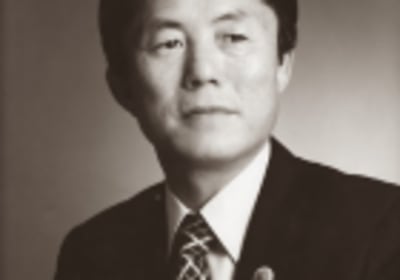
Korea ·1918–2002
Choi Hong Hi — The Founder of Taekwondo
General Choi Hong Hi (1918–2002) created Taekwondo as Korea's national martial art — a life lived between military service, politics, and the dream of a global fighting system.

Japan / Okinawa ·1888–1953
Chojun Miyagi — Founder of Goju-ryu Karate
Chojun Miyagi (1888–1953) fused Okinawan hardness with Chinese softness into Goju-ryu — the karate school that inspired Mr. Miyagi in Karate Kid.

Japan / Okinawa ·1868–1957
Gichin Funakoshi — Father of Modern Karate
Gichin Funakoshi (1868–1957) brought Karate from Okinawa to Japan and shaped it into a philosophical discipline — his legacy is Shotokan.
+ 8 more — View all →
Crosscutting
Connections, comparisons and cross-genre themes.
Myanmar (historically: Burma) ·Pagan Empire (1044–1287); flourished: Burmese-Siamese Wars (16th–18th century)
Bando — Myanmar's Animal Style Martial Art
Bando is Myanmar's traditional unarmed combat system — with nine animal styles, strong defensive philosophy, and a history reaching back to the Pagan Empire of the 11th century.
Cambodia ·Khmer Empire (9th–15th century); bas-reliefs in Angkor document practice since at least 900 CE
Bokator — Cambodia's Millennial Warrior Art
Bokator is Cambodia's oldest warrior martial art — documented for 1000 years in Angkor temple bas-reliefs, nearly extinguished by the Khmer Rouge, UNESCO World Heritage since 2022.

Brazil ·16th–18th century (slavery era); formalized 1930s
Capoeira — The Dancing Fight of the Enslaved
Capoeira is Brazil's Afro-Brazilian martial art — developed by enslaved Africans disguised as dance, persecuted by police, now UNESCO Cultural Heritage and a symbol of cultural resistance.
USA (Hong Kong as origin) ·1967 (naming); developed 1964–1973
Jeet Kune Do — Bruce Lee's Martial Art Without Limits
Jeet Kune Do is Bruce Lee's martial art — not as rigid system but as philosophy: 'no way as way, no limitation as limitation,' the most uncompromising call for authenticity in combat.
India (Tamil Nadu as origin center) ·Vedic (~5000 BCE); first rules 1921; national recognition 1938
Kabaddi — India's Ancient Contact Team Sport
Kabaddi is India's ancient contact team sport — a raider must tag multiple defenders on one breath while chanting 'kabaddi' continuously, and escape before their breath fails.
India (Kerala, South India) ·Over 3000 years old (mythological); historically documented from 11th–12th century CE
Kalaripayattu — The Mother of All Martial Arts
Kalaripayattu is considered the world's oldest martial art — from Kerala, over 3000 years old, with the flexible Urumi sword as its pinnacle and deep connection to Ayurveda and Hindu philosophy.
+ 11 more — View all →
Training & Techniques
Deep technical knowledge: biomechanics, conditioning, methodology from primary sources.
Shaolin Conditioning — Iron Palm, Iron Shirt, Golden Bell
The Shaolin body conditioning system is one of the hardest training regimens in martial arts history — grounded in classical texts and 1,500 years of practice.
Taekwondo Kicking Techniques — Biomechanics, Classification and Training
Taekwondo possesses the most complex leg-fighting system of any martial art — grounded in Choi Hong Hi's encyclopedia and modern biomechanical research.